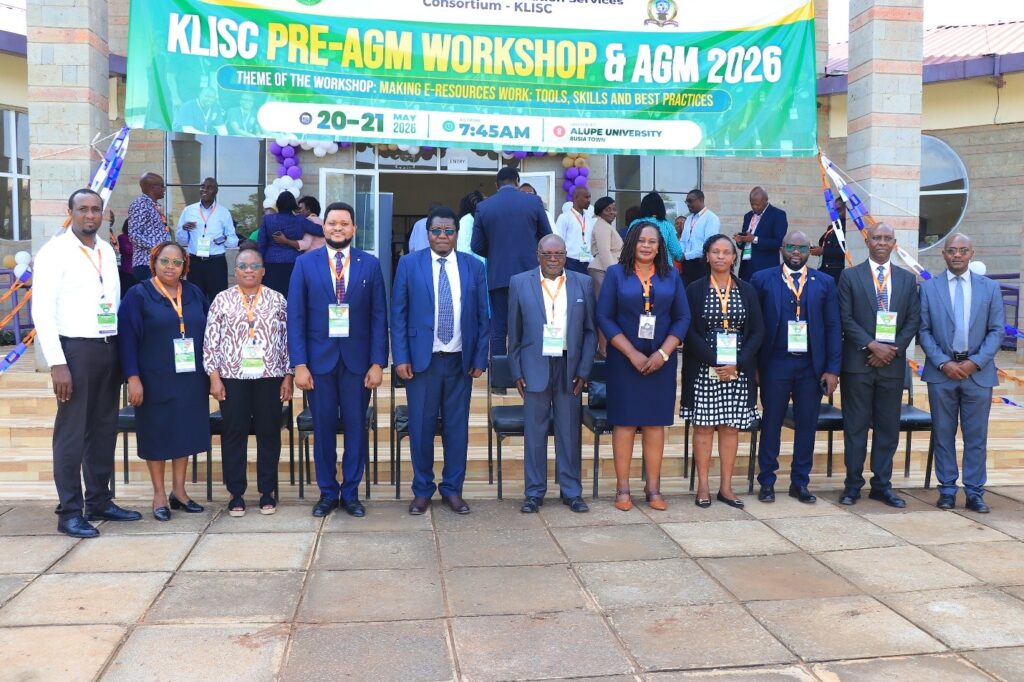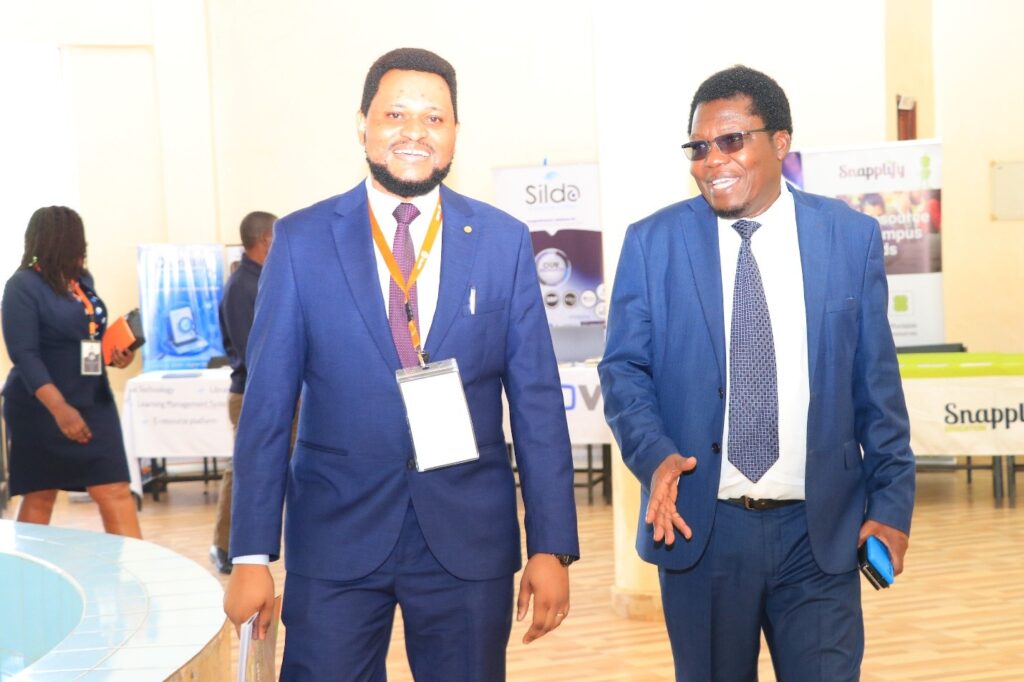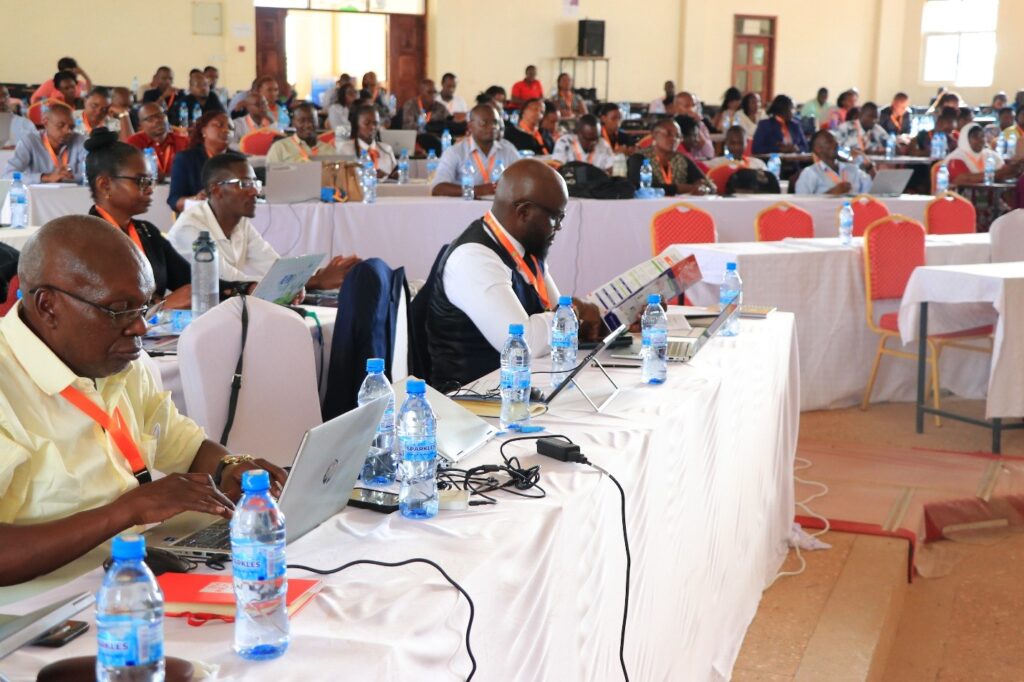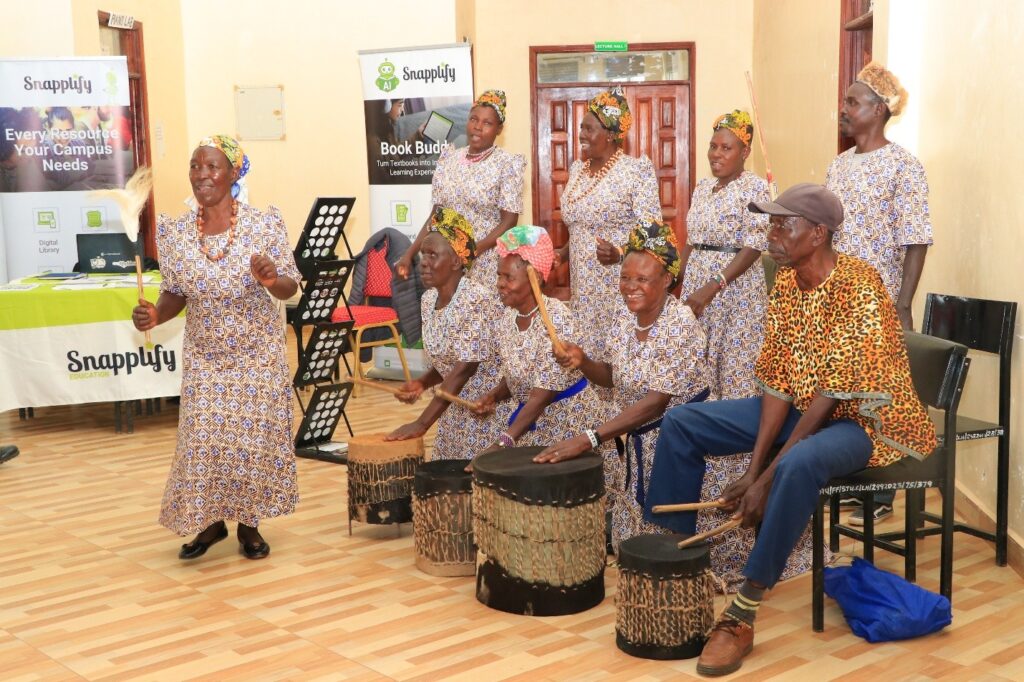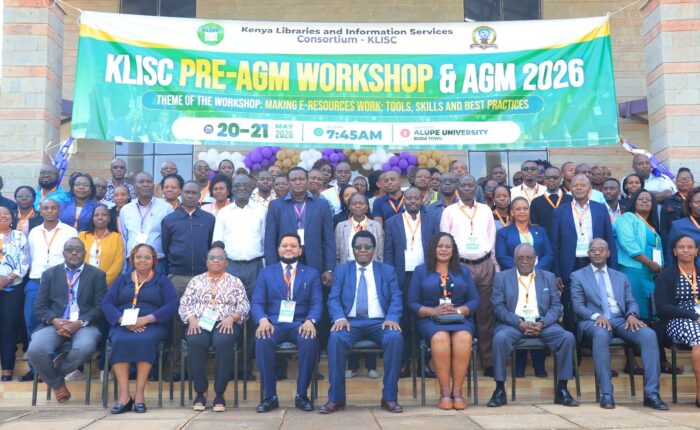
Alupe University successfully hosted the Kenya Libraries and Information Services Consortium (KLISC) Annual Conference from 19th to 21st May 2026, bringing together librarians, information professionals, researchers, publishers, and academicians from across Kenya and beyond.
Held under the theme, “Making e-resources work: tools, skills and best practices,” the conference provided a dynamic platform for participants to explore innovative approaches to enhancing access, utilization, and management of electronic information resources in institutions of higher learning and research.
The Alupe University fraternity expressed great delight in hosting librarians and libraries that are members of the KLISC network, reaffirming the institution’s commitment to advancing knowledge access, digital scholarship, and academic excellence.
Aligned with this year’s conference theme, Alupe University continues to position itself as a leader in digital information access and scholarly support by enabling its scholars and students to access thousands of libraries, millions of journals, and membership to premium library networks across the world. Through continuous investment in digital infrastructure, library systems, and e-resource access, the University is empowering learners and researchers with the tools, skills, and resources necessary to thrive in a rapidly evolving knowledge economy.
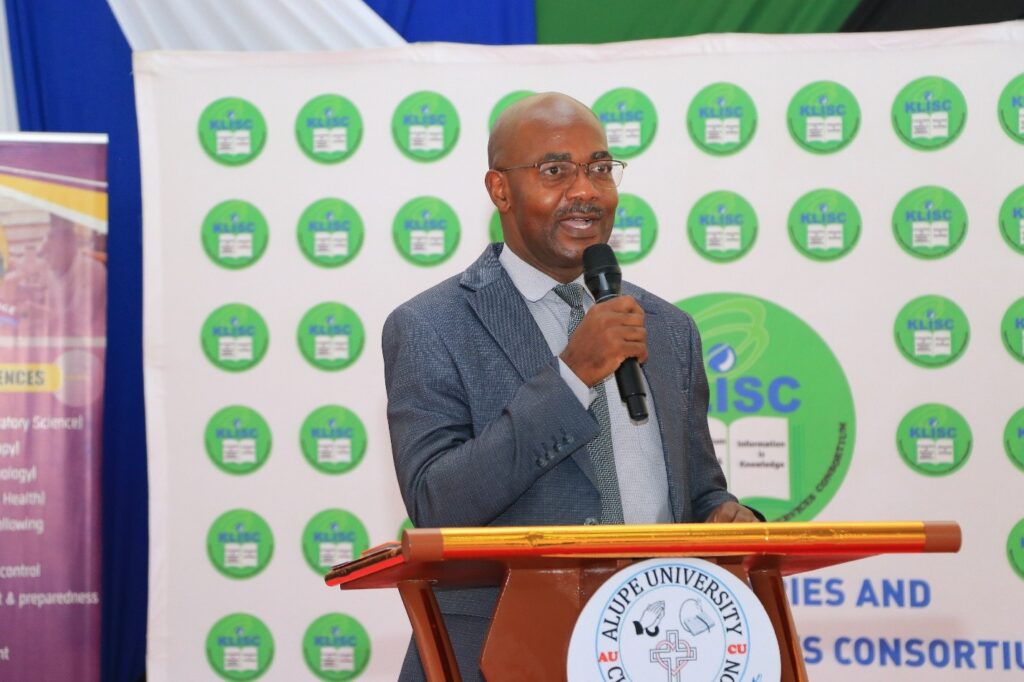
Speaking during the official opening ceremony, the Vice Chancellor, Prof. Peter Barasa, noted that the future of higher education is increasingly dependent on strong digital information ecosystems and strategic knowledge partnerships.
“Libraries are no longer simply spaces for storing books; they are dynamic digital ecosystems that drive research, innovation, learning, and global academic collaboration. As universities, we must ensure that e-resources are not only accessible, but also impactful, inclusive, and responsive to the evolving needs of scholars and students,” said Prof. Barasa.
The Vice Chancellor further commended librarians and information professionals for continuously adapting to emerging technologies and redefining their roles within the digital age. He observed that modern librarians are no longer merely custodians of books, but digital navigators, research partners, trainers, and innovators supporting academic excellence and evidence-based learning.
Other members of the University’s top management who addressed the conference included the Deputy Vice Chancellor (Academic, Research and Student Affairs), Prof. Margaret Orina, and the Deputy Vice Chancellor (Administration, Finance and Development), Prof. Mahero Toboso.
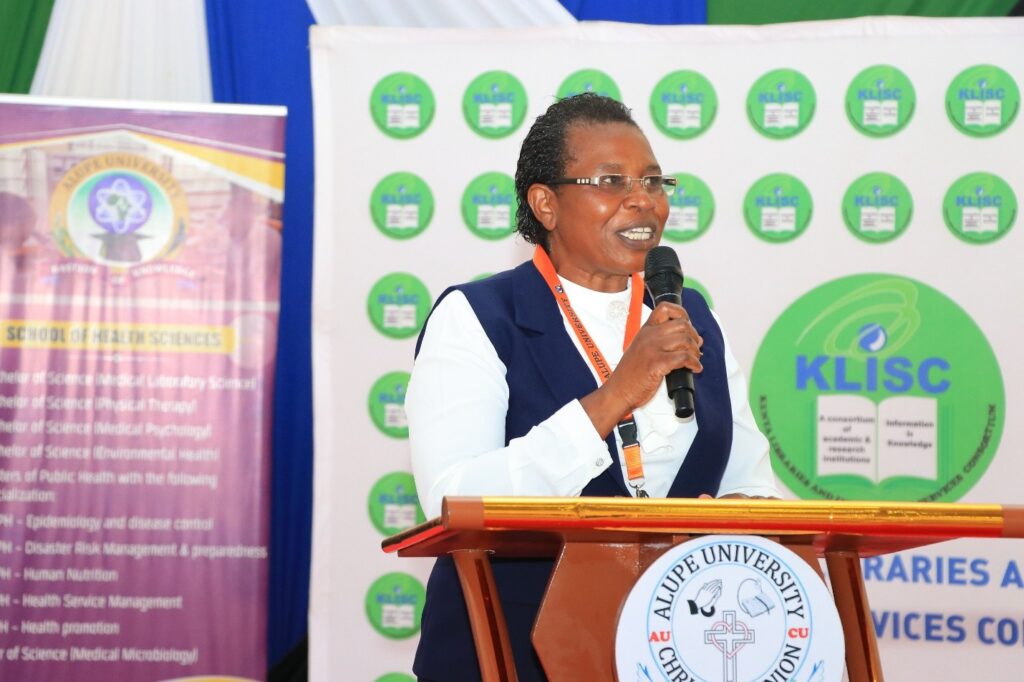
Prof. Orina emphasized the critical role of libraries and e-resources in strengthening research culture, academic visibility, and quality teaching within universities. She encouraged institutions to continue investing in digital literacy and capacity building to enable scholars and students to maximize the use of electronic resources.
On his part, Prof. Toboso highlighted the importance of sustainable investment in digital infrastructure, strategic partnerships, and efficient resource management in supporting modern library systems and institutional growth.
The three-day conference featured insightful keynote addresses, panel discussions, practical workshops, and presentations focusing on emerging trends in library and information services. Key discussions centered on artificial intelligence in libraries, digital resource management, open access publishing, research support services, digital literacy, mobile access, digital rights management, and best practices in maximizing the value of electronic resources.
Speakers during the event underscored the critical role of libraries and information professionals in supporting teaching, learning, innovation, and research in the digital era. They emphasized the importance of collaboration among universities, library consortia, and information institutions in expanding equitable access to quality academic resources.
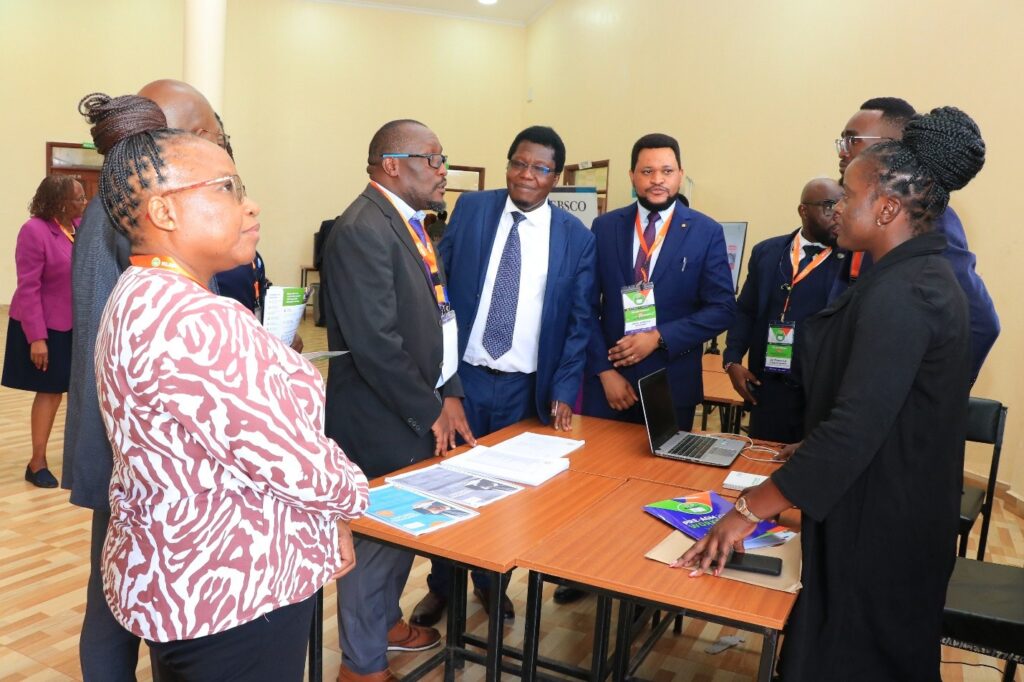
Participants also had an opportunity to network, exchange ideas, and share experiences on strengthening information services and improving user engagement within their respective institutions.
By hosting the KLISC Annual Conference 2026, Alupe University further demonstrated its growing stature as a hub for academic collaboration, innovation, and professional engagement within Kenya’s higher education sector. The University appreciated KLISC for the partnership and for selecting Alupe University as the host institution for the 2026 conference.